

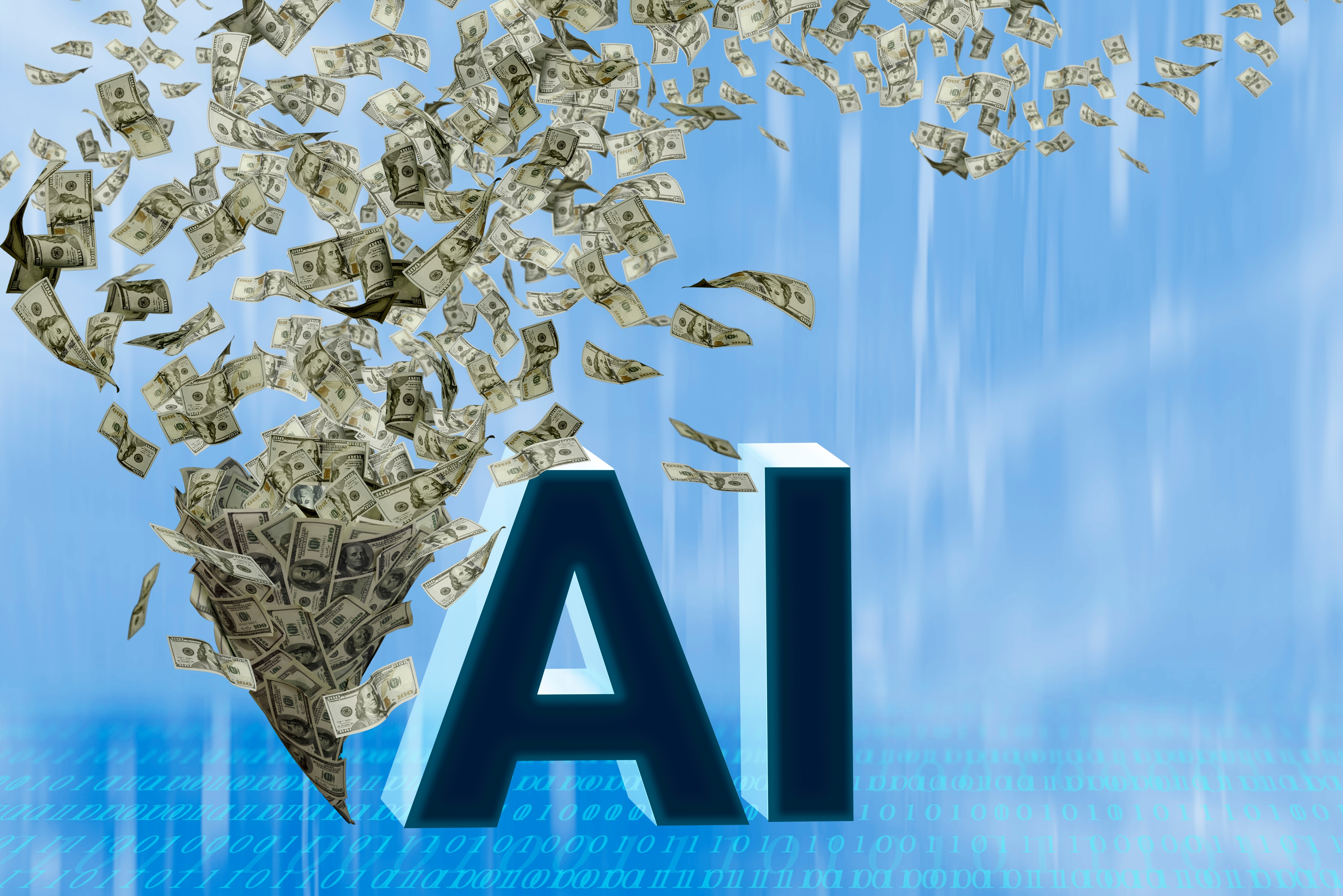
Artificial intelligence is fueling one of the largest infrastructure expansions in history. Technology companies are committing enormous sums to semiconductors, data centers, electricity, and long-term computing capacity, often through leases and purchase agreements that do not immediately appear as conventional debt. Patrick Boyle cites an estimate that the five largest U.S. technology companies may have approximately $1.65 trillion in these off-balance-sheet commitments. This is not an Enron-style fraud because the obligations are generally legal and disclosed in financial footnotes. Still, a financial commitment does not become less real simply because it is difficult to find.
The structure of the AI boom makes those commitments more concerning. Chipmakers and technology companies are increasingly investing in, lending money to, or supporting the same AI businesses that purchase their products. This circular financing can create the appearance of strong demand while concentrating risk within a relatively small group of interconnected companies. At the same time, adjusted earnings measures can minimize depreciation, stock-based compensation, and the enormous cost of replacing rapidly aging equipment. If AI revenue does not grow quickly enough, companies could be left servicing long-term obligations tied to infrastructure that becomes obsolete before it generates an adequate return.
AI may ultimately transform the economy, but that does not guarantee the current investment boom is financially sustainable. The internet changed the world while still leaving behind failed companies, wasted infrastructure, and enormous investor losses. Today’s AI buildout may be following a similar pattern on an even larger and more concentrated scale. Investors should therefore look beyond revenue growth and headline earnings to understand the leases, purchase commitments, financing relationships, and future cash flows supporting the story. The greatest risk may not be that AI fails, but that it succeeds more slowly and less profitably than the market currently assumes.
